Hidden Mauritius: Fishing villages and hidden beaches
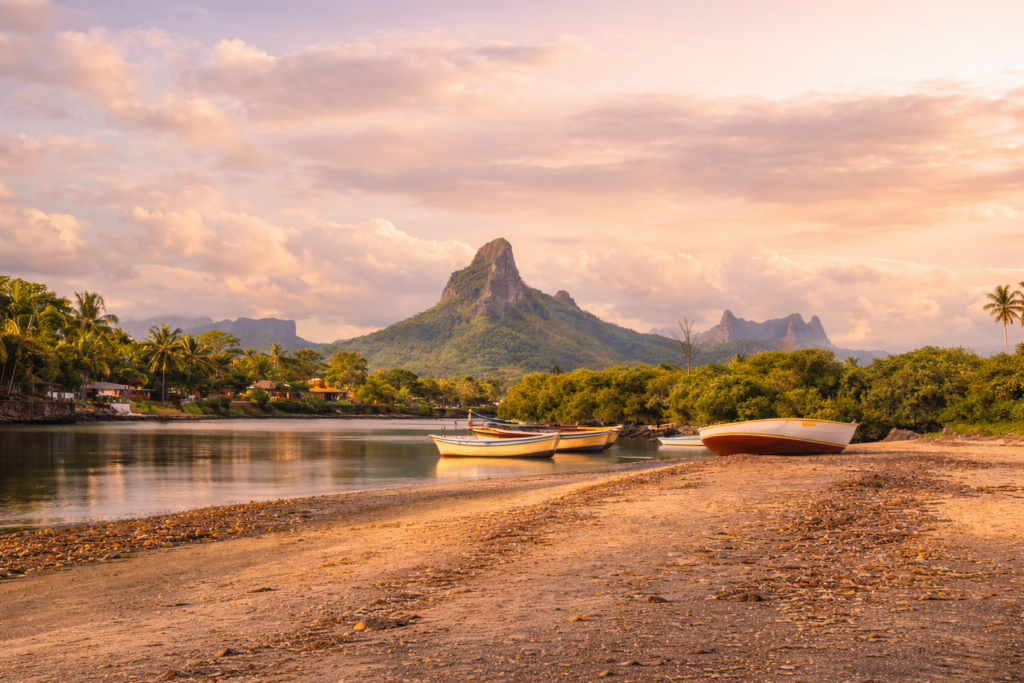
There’s a quieter side to Mauritius that most people never see. Beyond the resorts and curated experiences, the coastline opens up into small fishing villages, empty stretches of beach, and moments that feel completely unfiltered. It’s not always signposted, and it’s not always easy to get to, but that’s exactly what makes it special.
I’ve spent years visiting the island as a British-Mauritian, exploring behind the scenes and going to hidden gems only the locals know about.
Whether you’re exploring on foot or going for a bit of a scenic drive, keep your eyes out for:
– small fishing villages
– local beaches
– hidden coves
Notable areas for this is in the South West and North East:
Where to find these locations

From wooden boats pushed onto shore, local fishing around sunset, and no beach club, no music, just open coastal space. Whichever side of the island you are on, look out for:
NORTH
- Grand Gaube
- Bain Beouf
- Cap Malheureux
- Calodyne
EAST
- Poste Lafayette
- Roches Noires
SOUTH
- Gris Gris
- Riambel
WEST
- Tamarin
- Black River
- La Gaulette
- Le Morne
TRIP TIP: Rent a car to explore the quieter side of Mauritius.
Many of the island’s most beautiful, untouched spots aren’t accessible by hotel transfers, and relying on taxis can be expensive and limiting. Having your own car gives you the freedom to explore at your own pace, especially along the west and south coasts where the real magic happens. More than often there are no signs, so you’ll need to be a little adventurous.
Crab fishing the local way
In some coastal villages, especially in the late afternoon, you’ll spot locals , and sometimes kids, carefully navigating the rocks, looking for crabs. Tiny fish dart between the rocks, crabs move quickly between shadows, and the water shifts gently with the tide. It’s one of the simplest ways to experience the island beyond the beaches.
It’s not about fishing equipment or tours. It’s slow, patient, and often done by hand or with simple tools.
If you’re curious to try:
- Move slowly , crabs are quick and disappear fast
- Look under rocks or along edges where water collects
- Wear sturdy shoes, the rocks can be sharp and slippery
- Always respect the environment (and take only what you need, if anything)
Even if you don’t catch anything, just observing this rhythm of coastal life is part of the experience. Watch out as rocks can be slippery and sea urchins can hurt.
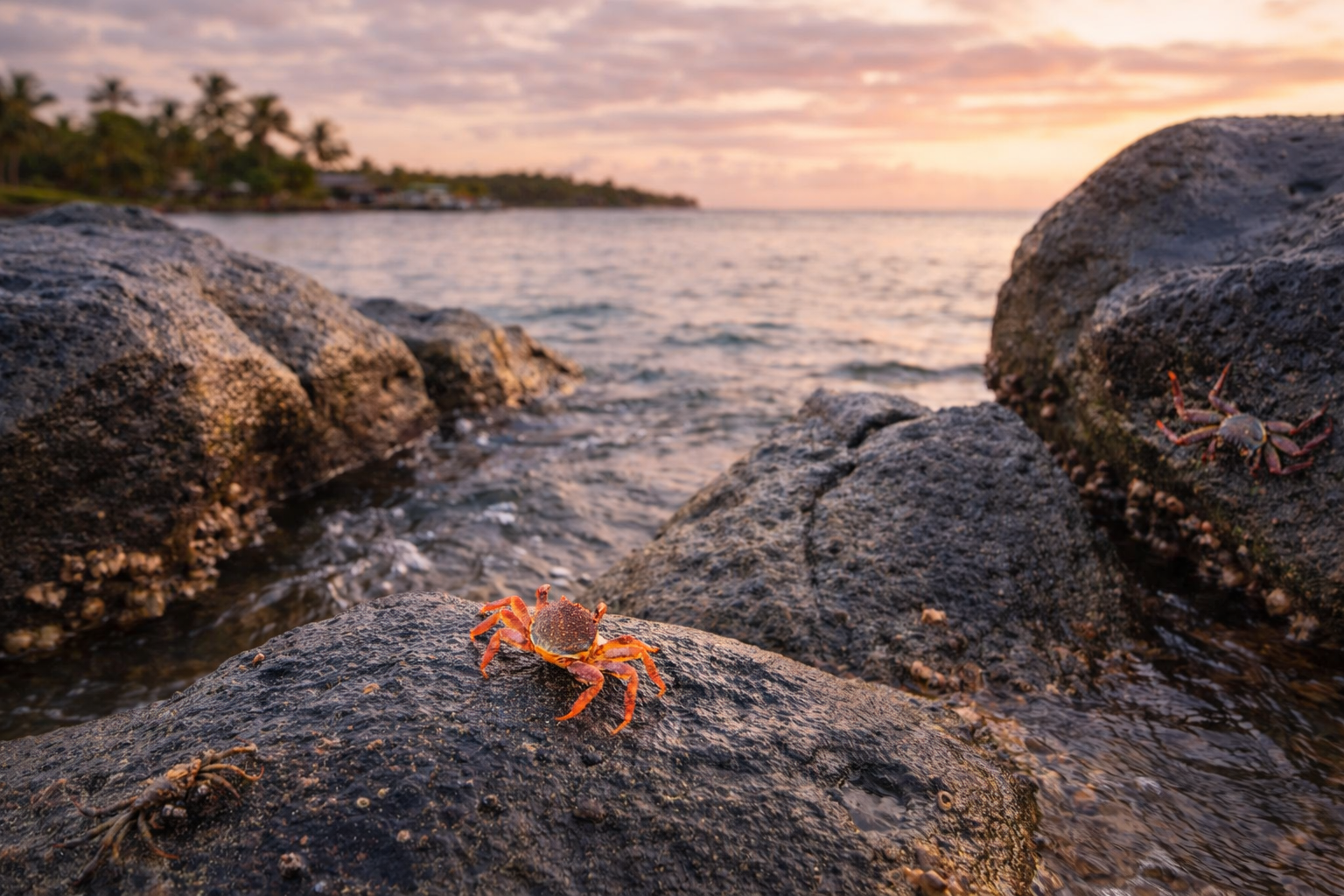
What you’ll find in rock pools
- Small reef fish
- Hermit crabs
- Sea urchins (be careful)
- Tiny shrimp and marine life
Rock pools are like natural aquariums. They change throughout the day depending on the tide, so visiting at different times can feel like a completely different place..
TRIP TIP: Stay somewhere with a kitchen and buy your seafood locally.
In smaller coastal areas, you’ll often see fishermen returning with their catch in the late afternoon. If you time it right, you can pick up incredibly fresh seafood directly from them, a simple, authentic experience that most visitors completely miss.
If you’re planning a trip to Mauritius, don’t just stay in one place.
Take the time to explore the coastline, stop in smaller villages, and leave space in your itinerary for moments like this. It’s the easiest way to experience a side of the island most people miss.
→ Things to Do in Mauritius
→ Where to Stay in Mauritius
→ Mauritius Travel Guide