
The Ultimate Arctic Packing Guide: What to Wear for Lapland, Iceland & Beyond
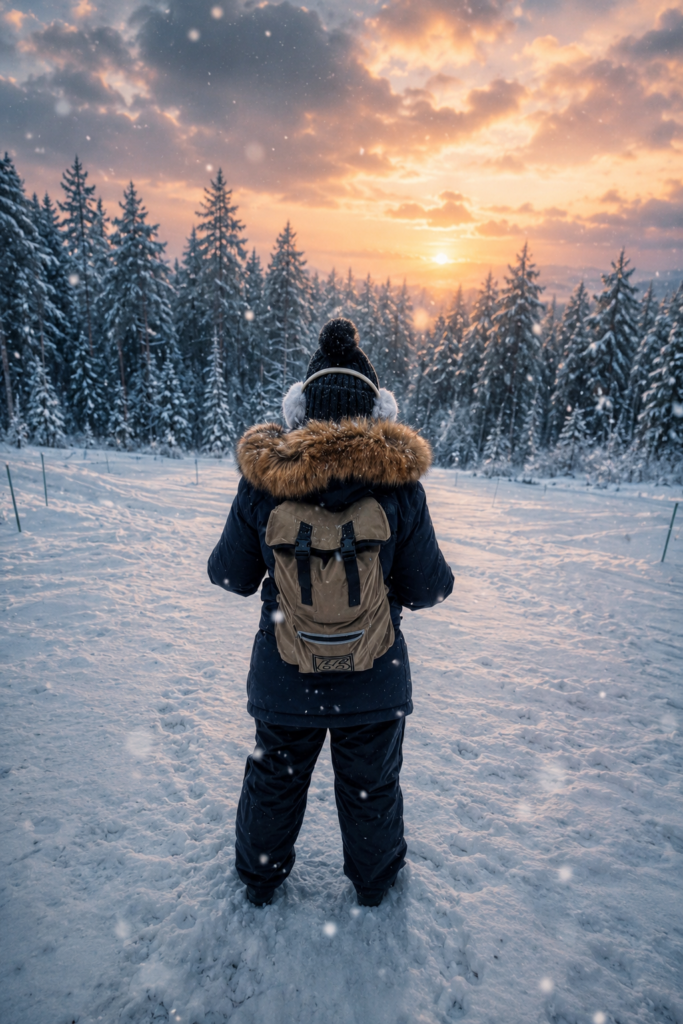
Planning a trip to the Arctic? Whether you’re heading to Lapland, Iceland, Arctic Norway or another winter wonderland, packing the right clothing can make or break your adventure.
Unlike a typical winter holiday, Arctic destinations bring freezing temperatures, snow, ice, wind and rapidly changing weather conditions. The good news? You don’t need an entirely new wardrobe, you just need to know what to pack, how to layer effectively and which items are actually worth investing in.
Having travelled to both Lapland and Iceland, I’ve learnt that staying warm isn’t about wearing the biggest coat you can find. It’s about layering properly, protecting your hands and feet, and preparing for long periods outdoors, whether you’re chasing the Northern Lights, riding a snowmobile or simply wandering through a snowy village.
In this guide, I’ll cover everything you need to pack for an Arctic adventure, including what to wear, common packing mistakes, beauty tips for freezing temperatures, and my favourite outdoor clothing brands to help you stay warm and comfortable throughout your trip.
Looking for my exact suitcase and the clothing I personally took? Check out my companion guide: What I Packed for My First Trip to Lapland (coming soon).
Quick Packing Checklist

Quick Arctic Packing Checklist
If you’re short on time, here’s a quick overview of everything you’ll need for your Arctic adventure.
CLOTHING
- Thermal base layers (tops and leggings)
- Fleece or wool jumper
- Insulated winter coat
- Waterproof ski trousers or snow pants
- Merino wool socks
- Waterproof insulated boots
- Warm hat
- Neck gaiter or snood
- Waterproof insulated gloves
- Thin touchscreen gloves
TOILETRIES
- Moisturiser
- Hand cream
- SPF lip balm
- Sunscreen
- Toothbrush & toiletries
- Prescription medication
ELECTRONICS
- Phone charger
- Power bank
- Camera
- Spare camera batteries
- Charging cables
ESSENTIALS
- Passport
- Travel insurance
- Credit/debit card
- Driving licence (if hiring a car)
- Reusable water bottle
- Waterproof bag
TRIP TIP: Many Lapland activity providers supply thermal suits, snow boots and helmets for excursions. Always check what’s included before buying specialist gear—you may already have everything you need.
How cold does the Arctic get?
One of the biggest surprises for first-time visitors is that cold doesn’t always feel the same.
A calm day at -20°C in Lapland can sometimes feel more comfortable than 2°C with rain and strong winds in the UK. Dry Arctic air feels very different to damp British winters.
Here’s a rough guide to what you can expect:
| Temperature | What it feels like |
|---|---|
| 0°C to -5°C | Similar to a cold UK winter’s day. |
| -10°C | Cold enough for full winter clothing. |
| -20°C | Proper Arctic conditions. Thermals become essential. |
| -30°C and below | Extreme cold. Every layer and accessory matters. |
Don’t let the temperatures scare you. If you dress correctly, you’ll often feel far warmer than you expect. The secret isn’t buying the biggest coat, it’s understanding how to layer your clothing properly.
The secret to staying warm is ‘Layering’
If there’s one thing I want you to take away from this guide, it’s this:
Staying warm in the Arctic isn’t about wearing one huge coat. It’s about wearing the right layers. Layering allows you to trap warm air close to your body while giving you the flexibility to add or remove clothing as temperatures change throughout the day.
Whether you’re exploring Reykjavik, wandering through Santa Claus Village or heading out on a Northern Lights tour, this simple three-layer system will keep you comfortable in almost any Arctic destination.
Layer 1: The Base Layer
Your base layer sits directly against your skin and is arguably the most important piece of clothing you’ll wear.
Its job isn’t to keep you warm, it’s to keep you dry.
When you’re walking through snow, climbing hills or even carrying luggage, your body naturally produces heat. A good base layer moves moisture away from your skin, helping you stay warm and comfortable throughout the day.
| Look For | Avoid |
|---|---|
| Merino wool base layers Synthetic thermal tops and leggings | Cotton tops Cotton leggings Cotton T-shirts |
Cotton absorbs moisture and dries slowly, which can leave you feeling cold once you stop moving.
TRIP TIP: If you’re investing in just one thing before your trip, make it a good-quality base layer. It will make far more difference than buying an expensive designer coat.
Layer 2: The Mid Layer
Your mid layer is your insulation.
This is the layer that traps warm air around your body and keeps the heat in.
Popular options include:
- Fleece jumpers
- Wool jumpers
- Lightweight down jackets
- Insulated hoodies
Depending on the temperature, you may even wear two mid layers.
For example, on particularly cold evenings while waiting to see the Northern Lights, I found that adding an extra fleece made a noticeable difference to my comfort.
Layer 3: The Outer Layer
Your final layer protects you from the elements.
Snow, wind and moisture can all make you feel much colder than the temperature suggests, so a good outer layer should be both insulated and weather-resistant.
Ideally, you’ll want:
- An insulated winter jacket
- Waterproof or water-resistant outer fabric
- Ski trousers or waterproof snow trousers
If you’re travelling to Iceland, where winter weather can change within minutes, waterproof clothing becomes even more important due to the combination of wind, rain and snow.
Remember, the aim isn’t to wear the thickest clothing possible, it’s to wear clothing that works together as a system.
If there’s one lesson I learnt travelling in Arctic conditions, it’s that cold feet can ruin your day faster than anything else.
You can have the warmest jacket in the world, but if your feet are cold, every walk becomes uncomfortable and you’ll find yourself wanting to head back indoors much sooner than planned.
The good news is that keeping your feet warm isn’t complicated, it just comes down to choosing the right socks and boots.
Your feet matter more than your coat
Choose the Right Boots
Your boots should be:
Waterproof
Insulated
Comfortable enough to walk in for house
High enough to keep the snow out
A common mistake is buying boots that look warm but aren’t designed for snow. Fashion boots may be fine for city breaks, but they often lack insulation, grip and waterproofing.
Another mistake is buying boots that are too small. It might sound strange, but tight boots actually make your feet colder because they restrict circulation. Your toes should still have a little room to move.
Wear the Right Socks
Merino wool socks are one of the best investments you can make for an Arctic trip.
They’re naturally warm, breathable and continue insulating even if they become slightly damp.
Avoid cotton socks wherever possible, as they retain moisture and lose warmth quickly.
For particularly cold days, I like wearing one pair of quality merino socks rather than doubling up with multiple thick pairs. Too many socks can make your boots tighter, reducing circulation and making your feet feel colder.
TRIP TIP: If you’re prone to cold feet, disposable foot warmers are lightweight, inexpensive and can make a huge difference during long evenings spent watching the Northern Lights.
Gloves, Hats & Arctic Accessories
When people think about packing for freezing temperatures, they usually focus on the coat.
In reality, it’s your hands, ears, neck and face that often feel the cold first.
The right accessories can completely transform your comfort, especially if you’re spending hours outdoors.
Gloves
I always recommend taking two pairs of gloves.
The first should be a lightweight touchscreen pair for using your phone or camera without exposing your hands.
The second should be a thick, insulated and waterproof pair for walking, snowmobiling and Northern Lights tours.
Switching between the two means you can still take photos without your hands becoming painfully cold.
Hats
Choose a warm beanie that completely covers your ears.
You’ll be surprised how much heat you lose through your head when standing outside for long periods. Earmuffs can also be an added bonus.
Neck Gaiters vs Scarves
Personally, I much prefer a neck gaiter (or snood) over a traditional scarf.
It stays in place, doesn’t flap around in the wind and provides excellent protection for your neck and lower face. I found myself reaching for mine every single day.
Hand Warmers
Small reusable or disposable hand warmers are one of those items you don’t think you’ll need, until you do.
They’re perfect for:
- Northern Lights tours
- Husky sledding
- Ice fishing
- Waiting outside for transport
TRIP TIP: Keep a spare pair of gloves in your suitcase. If one pair gets wet from snow, you’ll be very glad you packed a backup.
Cold Weather Beauty Tips
Cold Weather Beauty Tips
- Wear SPF
- Moisturise
- Lip balm
- Your eyelashes can freeze
- Waterproof/tubing mascara
- Link:
For my complete winter skincare and makeup routine for Arctic travel, read my guide here (Coming Soon)
Frequently Asked Questions
For most Arctic destinations, I highly recommend insulated waterproof boots. They provide better grip, keep your feet warm and are far more comfortable for walking on snow and ice than standard trainers or fashion boots. You can rent boots for Arctic activities, check with your provider.
Yes. Thermal base layers are one of the most important items you’ll pack. They help regulate your body temperature and keep moisture away from your skin, making them far more effective than simply wearing extra jumpers.
Jeans are fine for travelling to and from your destination or for spending time indoors, but I wouldn’t recommend them for long periods outside. Denim offers very little insulation and becomes uncomfortable if it gets wet.
Not necessarily. The most important thing is wearing the correct layers rather than buying the most expensive brands. There are excellent options available at a range of price points, and many activity providers supply thermal suits and boots for excursions.
As a general rule, aim for three layers:
A thermal base layer
An insulating mid layer such as fleece or wool
A waterproof or insulated outer layer
You can then add or remove layers depending on the weather and your activity.
Yes! It’s one of the most overlooked items to pack.
Even though temperatures are below freezing, the sun’s UV rays are still present and fresh snow reflects a significant amount of UV light back onto your skin. This means you can still get sunburnt, especially on clear days or if you’re spending several hours outdoors.
I always recommend applying a broad-spectrum SPF 30 or higher to your face before heading outside, particularly if you’re skiing, snowmobiling or exploring snowy landscapes.
Final Thoughts
Packing for the Arctic doesn’t have to be overwhelming.
Once you understand how to layer your clothing and focus on staying warm, dry and comfortable, you’ll be able to enjoy everything these incredible destinations have to offer, whether that’s chasing the Northern Lights, exploring frozen landscapes or simply taking in the beauty of a snowy winter’s day.
I hope this guide has helped you feel more confident about what to pack for your Arctic adventure.
If you’re planning your trip, you might also find these guides helpful: Coming Soon